
Sustainable Chemistry:
Design, Synthesis and Applications of Bio- and Nanomaterials
Green and Sustainable Chemistry, Biomass and Plastic Valorization, Mechanochemistry, Aging, Nanomaterials, Polymer Transformation, Electron Microscopy, Self-Assembly, After-Life Assessments, Microfluidic Wet Spinning, Catalysis
Welcome to the Moores Research group website!
Since 2007, my research group in the Department of Chemistry at McGill University works at the interfaces between the fields of nanoparticle science, material chemistry, coordination chemistry and organic synthesis.
McGill is located on unceded lands which have traditionally served as a site of meeting and exchange amongst diverse Indigenous Peoples. The Kanien’kehà:ka/People of the Flint (Mohawk) who are a founding nation of the Haudenosaunee/People of the Longhouse (Iroquois) Confederacy are recognized as the traditional stewards of the lands and waters.
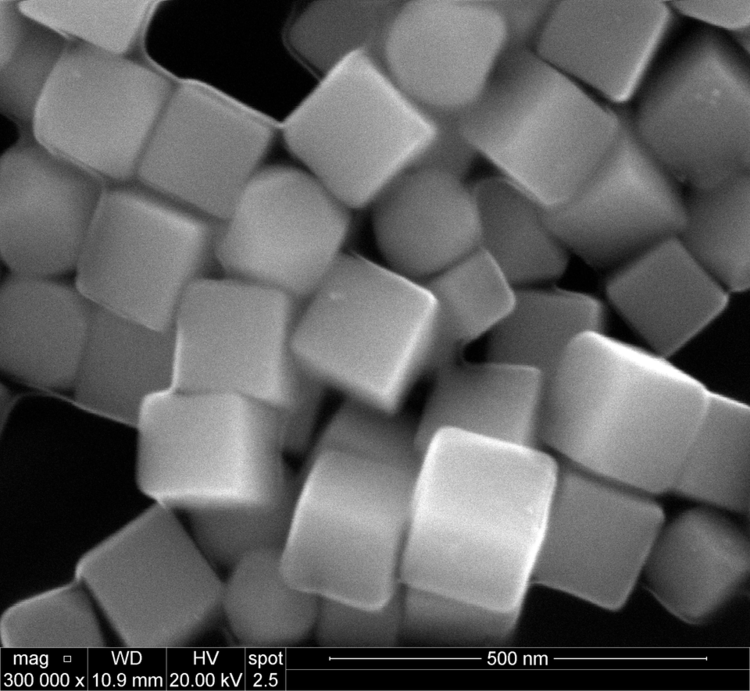
SEM of silver nanocubes
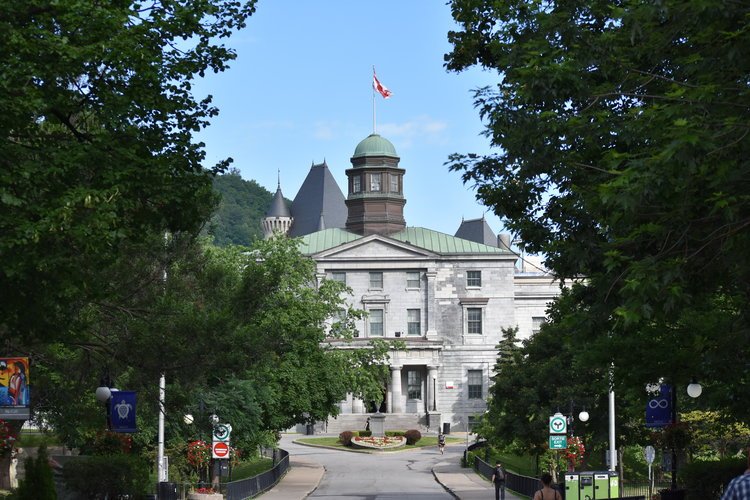
McGill University
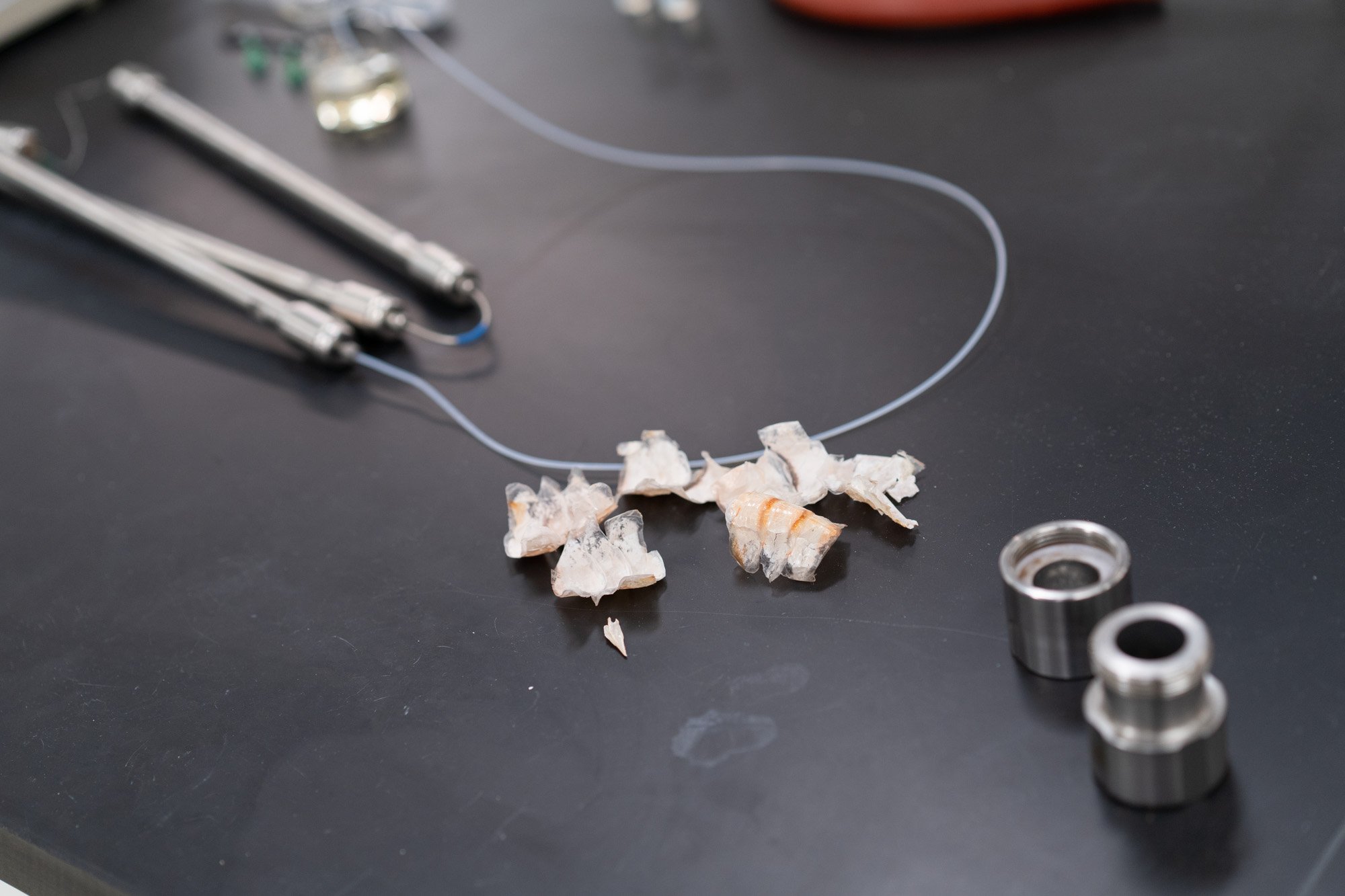
Crustacean Shells
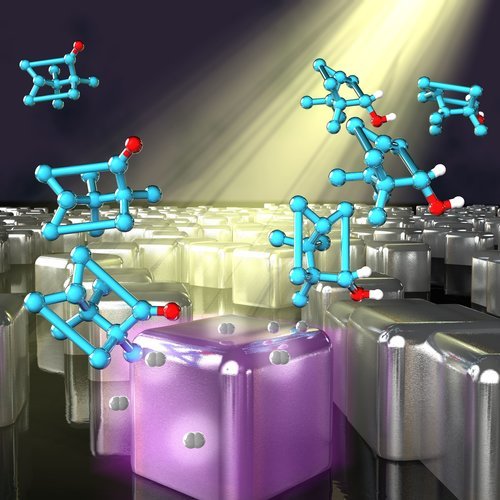
Plasmonic Nanocatalysis
Women's Day 2022
Farewell to Audrey and Galen from the Saito Group at U Tokyo 2024
Aude's defence February 2022
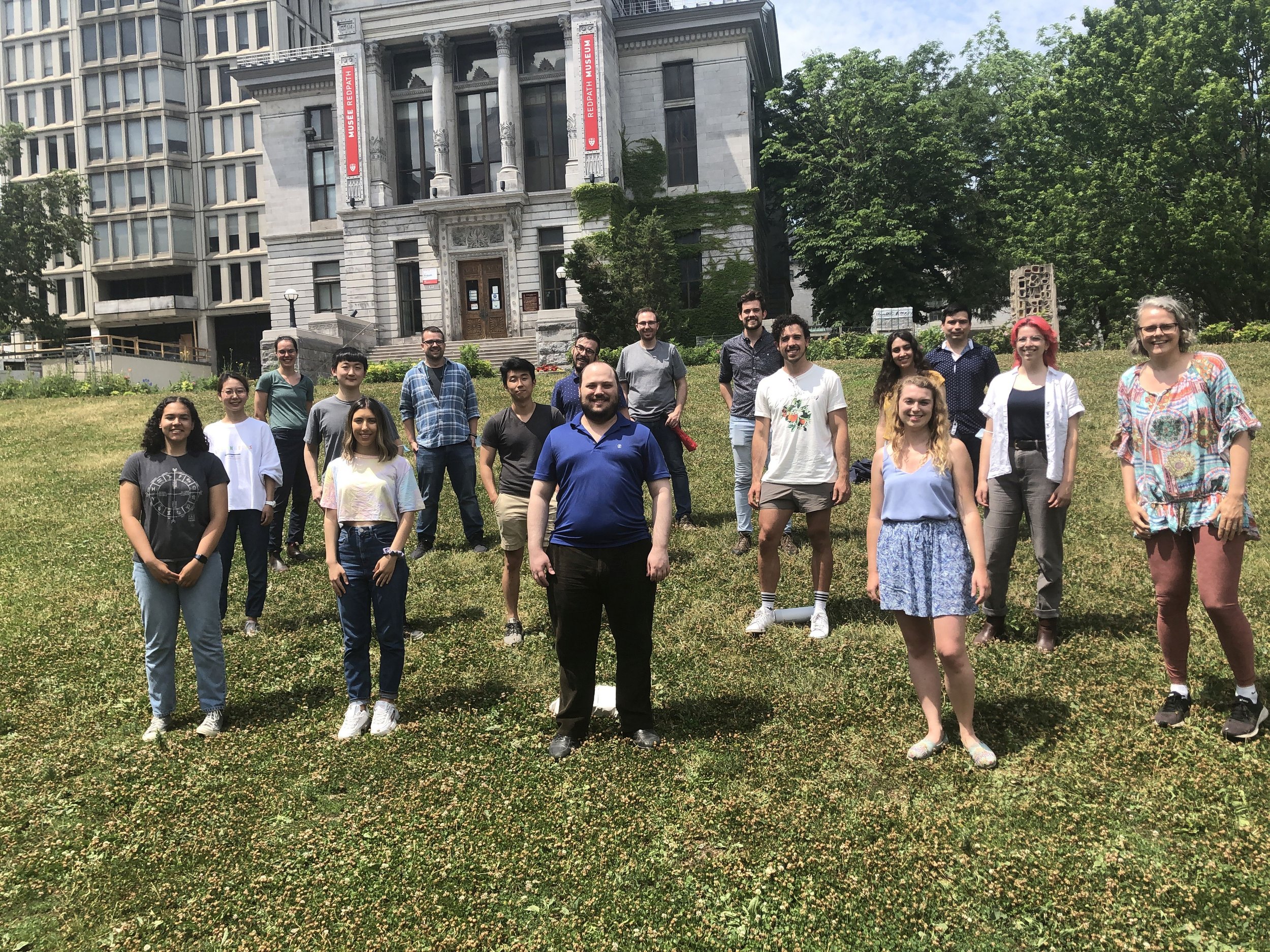
Moores Research Group 2021
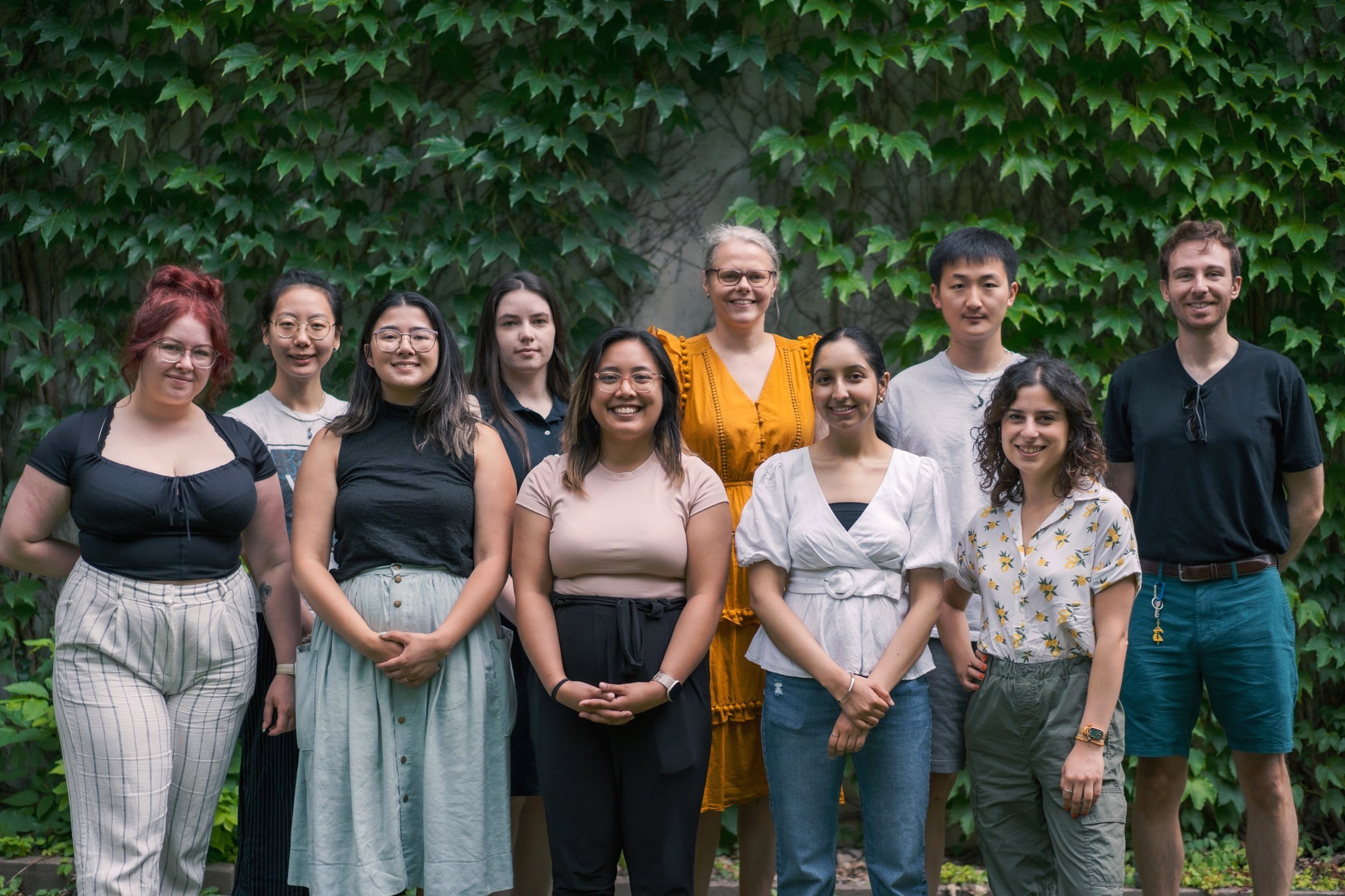
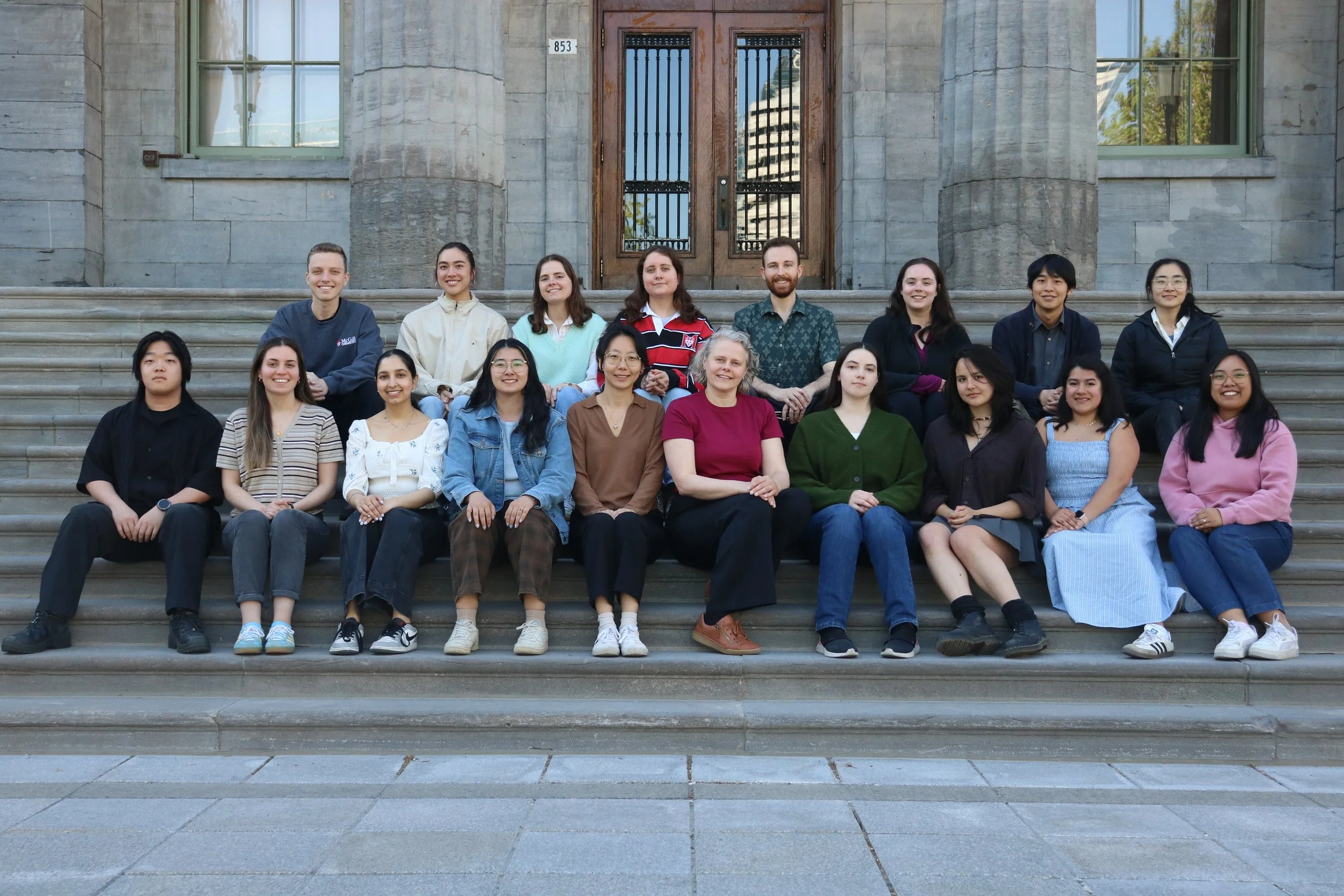
Group Photo Summer 2024
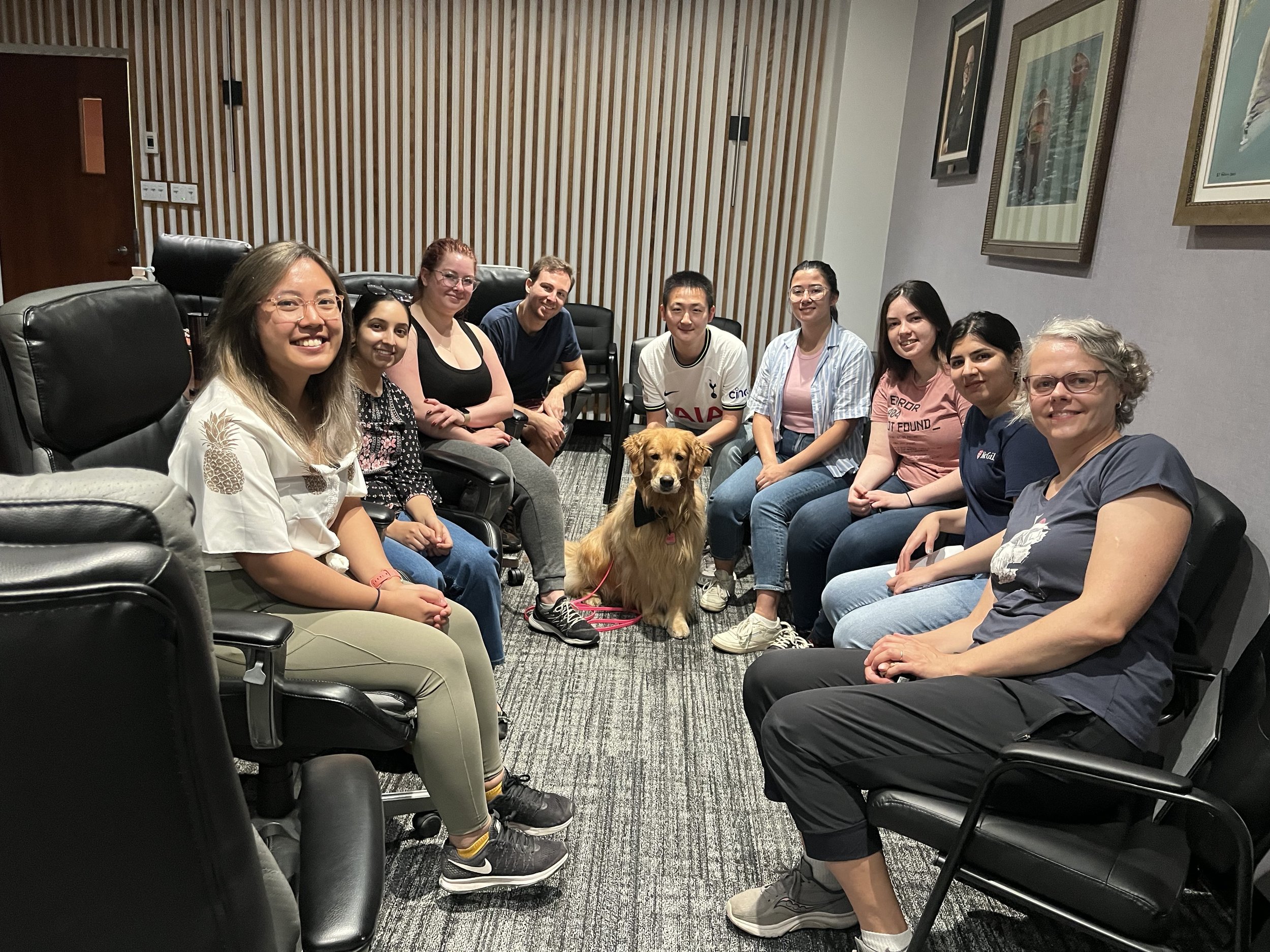
Moores Group Wellness Day 2023
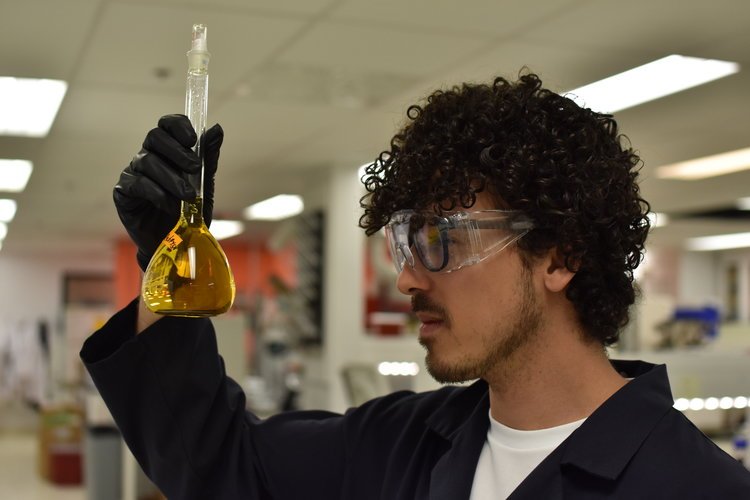
Julio in the lab
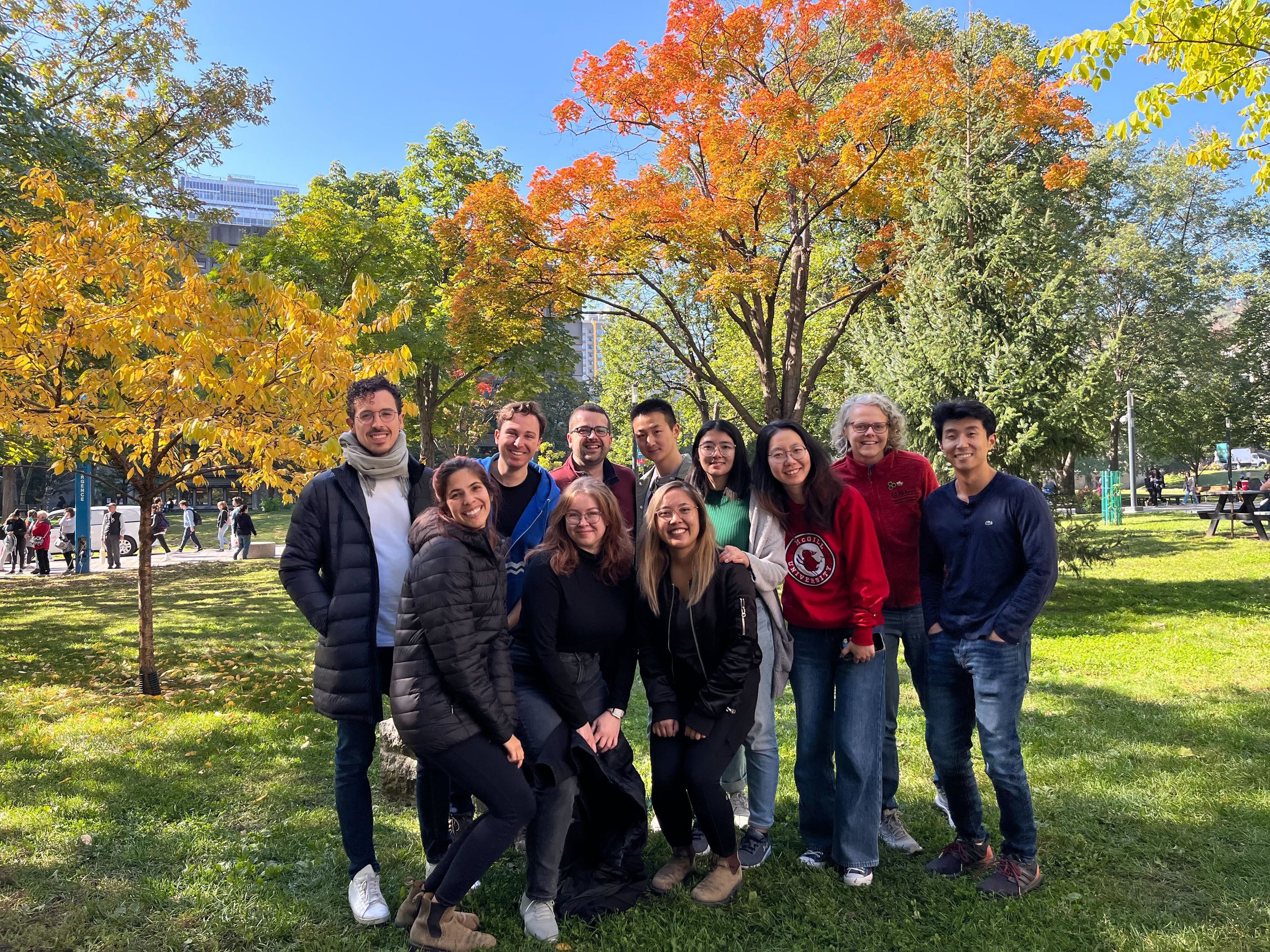
Moores Research Group Fall 2022
Updates and Socials
Latest News

Welcome to Yasmeen Jaberi and Renzo Favaro! Renzo started in July working with Galen on the polysaccharide functionalization project. Yasmeen is a new MSc Student and is joining Team Chitin! September 5 2024

We’re sad to say goodbye to Angelica Mucaria, a visiting PhD student from the Università di Bologna who was with us for 4 months to work on beta chitin crystallization. August 27 2024

Congratulations to Olivia Hengelbrok for securing a CCVC undergraduate summer research award to work on microplastics and metals. Well done! April 12 2024

Today we officially received our Sustainable Lab Certification from the McGill Office of Sustainability! (✨platinum✨!) We’re excited to be one of the first labs to have completed the process! November 8 2023
Research
The Moores group focuses on sustainable solutions for nanoparticles and biopolymer synthesis as well as catalyzed reactions, with an interest in waste biomass valorization, earth abundant starting materials and high atom economy. The group has deployed a program on the use of solid state methods, through mechanochemistry and aging, for the transformation of polysaccharides into high value materials, including nanocrystals, nanofibers, and microfibers. We also use these techniques for the production of microplastic models for toxicology studies. The group has developed a highly interdisciplinary approach to green chemistry, integrating civil, material and chemical engineering, food sciences, toxicology and high end electron microscopy to its regular practice.
Training
Training is at the heart of what we do. All my trainees become experts in a suite of characterization tools, which includes: transmission and scanning electron microscopy, X-ray photoelectron spectrometry, X ray diffraction, and inductively coupled plasma, and on organic molecule characterization, which includes: nuclear magnetic resonance, infrared spectroscopy, gas chromatography, and mass spectroscopy. They also develop soft skills such as team work, leadership, and oral and written communication.
Keywords
Green and Sustainable Chemistry
Biomass and Plastic Valorization
Mechanochemistry
Aging
Nanomaterials,
Polymer Transformation
Electron Microscopy
Self-Assembly
After-Life Assessments
Microfluidic Wet Spinning
Catalysis
